Beginner Cat Parent Guide for a Gentle First Home
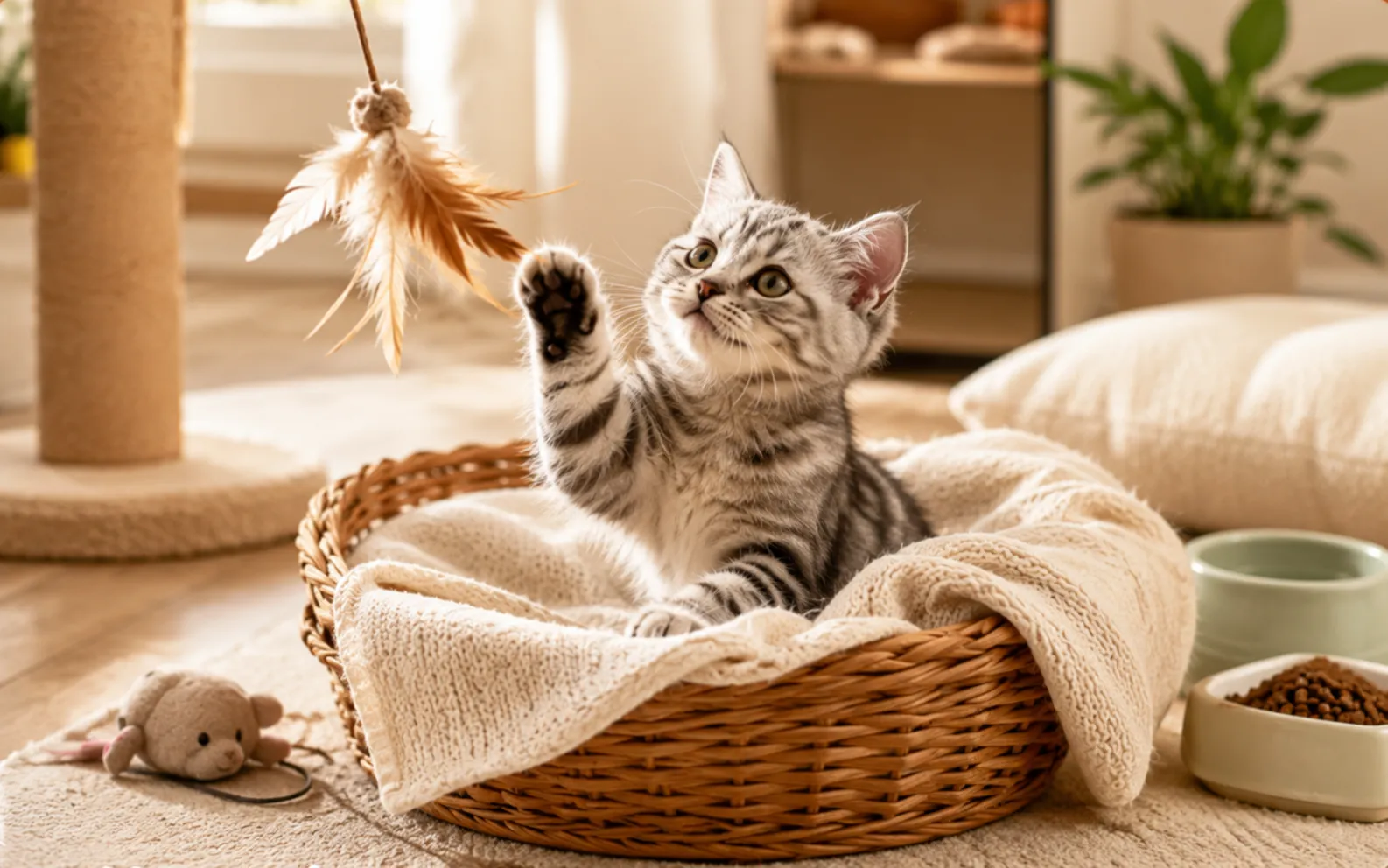
A Beginner Cat Parent Guide helps you welcome a cat with patience, structure, and realistic expectations. Cats can look independent, but they still need thoughtful support. A new environment may feel overwhelming. Strange smells, unfamiliar sounds, and sudden attention can make even confident cats cautious. Your job is to create safety before asking for affection. That begins with quiet space, predictable food, clean litter access, and gentle observation. It also means learning feline signals instead of assuming every cat wants the same thing. A new cat parent bundle can make that learning process much calmer.
Why a Beginner Cat Parent Guide Matters
A Beginner Cat Parent Guide matters because cats settle best when humans move slowly. Many first-time owners expect instant cuddles. Some cats offer that. Others hide, watch, and test the space carefully. Neither response is wrong. It simply shows how your cat processes change. A gentle approach reduces fear and prevents avoidable setbacks. Give your cat one starter room. Keep essentials close. Avoid loud introductions. Let your cat choose when to approach. This patience builds trust faster than pressure. A gentle cat raising system supports that calm first stage beautifully.
Creating the First Safe Space
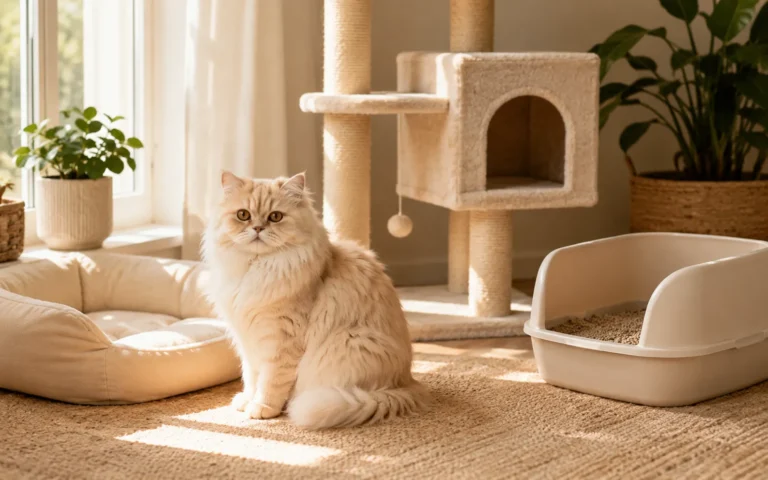
Your cat’s first safe space should feel quiet, clean, and easy to understand. Include food, water, litter, bedding, scratching access, and a hiding place. Keep the layout simple. Avoid placing food directly beside the litter box. Cats prefer separation between eating and bathroom areas. Add a soft blanket with a stable scent. Keep visitors away during the first adjustment period. Sit nearby and read or work quietly. This shows your presence without pressure. Let your cat explore the room at their own pace. Small signs of curiosity usually come before visible affection.
Beginner Cat Parent Guide for Litter Success
A Beginner Cat Parent Guide should treat litter setup as a major comfort priority. Litter problems often begin when the box feels wrong, dirty, noisy, or difficult to reach. Choose an accessible location with privacy but not isolation. Scoop daily. Keep strong scents away. Use a box size that fits your cat comfortably. For kittens and older cats, make entry easy. If accidents happen, avoid punishment. Clean the area well and review the setup. Stress, illness, box placement, and litter texture can all matter. Good litter box setup tips prevent frustration.
Understanding Early Cat Behavior
New cats communicate constantly, but not always loudly. Ears, tail position, posture, appetite, hiding, and grooming habits all share information. A relaxed cat may blink slowly, stretch near you, or sleep in visible places. A worried cat may flatten, freeze, swish the tail, or avoid touch. Do not force handling when your cat asks for space. Instead, reward curiosity with calm attention. Offer play at predictable times. Use wand toys to build confidence without pushing direct contact. Feline behavior basics help you respond with respect. That respect becomes the foundation of a stronger bond.
Beginner Cat Parent Guide for Enrichment
A Beginner Cat Parent Guide should include enrichment because indoor cats need meaningful outlets. Scratching, climbing, hunting play, watching windows, and exploring textures all support natural behavior. Without these outlets, cats may scratch furniture, knock items down, or become withdrawn. Enrichment does not require a complicated home makeover. Start with a scratching post, a cozy perch, interactive play, and puzzle feeding. Rotate toys instead of leaving everything out. Observe which activities your cat repeats. Cat enrichment ideas work best when they match personality. A shy cat may prefer hiding tunnels. A bold cat may enjoy climbing shelves.
Growing into Confident Cat Care
A Beginner Cat Parent Guide gives you a calm beginning, but confidence grows through daily observation. Your cat will teach you preferences over time. Some enjoy lap time. Others prefer sitting nearby. Some love busy play. Others need shorter sessions. Avoid comparing your cat to someone else’s pet. Build care around the animal in front of you. Keep routines steady, vet care organized, and home spaces respectful. As trust develops, your cat will show more personality. The best cat parents stay curious, patient, and consistent. That gentle approach makes the home feel truly safe.








Leave a comment