Cat Care Starter Toolkit for New Cat Owners

A Cat Care Starter Toolkit gives new cat owners a practical way to prepare without overbuying or guessing. Cats need more than a bowl and a cute bed. They need territory, litter confidence, scratching choices, food routines, calm handling, and daily enrichment. When these pieces work together, your cat adjusts with less stress. When they are missing, small problems can grow quickly. A toolkit organizes the essentials so you can focus on your cat’s comfort. It also helps you understand why each item matters. A cat onboarding guide makes the first days more intentional.
Why a Cat Care Starter Toolkit Helps
A Cat Care Starter Toolkit helps because cats are sensitive to setup details. A litter box in the wrong place can cause avoidance. A weak scratching option can lead to damaged furniture. A loud feeding area can create tension. These issues may look like stubbornness, but they often reflect discomfort. Your goal is to reduce friction before habits form. Think of the toolkit as a calm starting map. It gives your cat clear resources and gives you fewer emergencies. A kitten home preparation plan is especially helpful for young, curious cats.
Choosing the Right Core Supplies
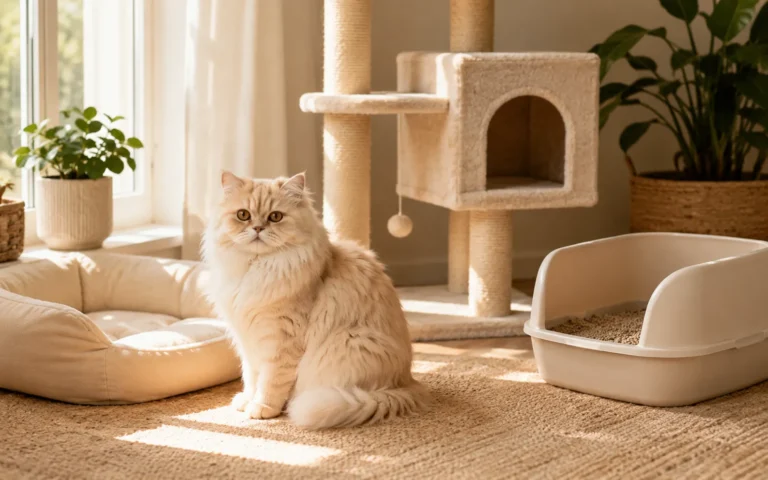
Core supplies should support health, comfort, and natural behavior. Choose sturdy food and water bowls. Add an accessible litter box. Include unscented litter when possible. Provide a scratching post that does not wobble. Offer a soft bed, but do not be surprised if your cat chooses a box instead. Add hiding spaces, safe toys, grooming tools, and a carrier. Keep the carrier visible so it does not become a scary object used only for vet visits. Avoid buying every novelty item immediately. Watch your cat first. Then add supplies based on real behavior and preferences.
Cat Care Starter Toolkit for Litter and Cleaning
A Cat Care Starter Toolkit should make litter care easy to maintain. Clean litter matters to cats more than many beginners expect. Scoop daily. Replace litter regularly. Wash the box with mild, safe products. Keep the area calm and accessible. If you have more than one cat, you may need multiple boxes. Placement also matters. Avoid noisy appliances, crowded hallways, and trapped corners. Cats like choices and escape paths. Good cleaning routines protect your home and your cat’s confidence. A clean setup also helps you notice changes in bathroom habits, which can signal health concerns.
Creating a Calm Daily Rhythm
Cats thrive when daily life feels predictable. Feed at steady times. Offer play before meals when possible. Keep water fresh. Clean the litter box consistently. Give your cat time to rest undisturbed. Use gentle voices during handling. Avoid chasing, grabbing, or forcing contact. Your routine should communicate safety. Over time, your cat learns when play happens, where resources are, and how you respond. This predictability reduces anxiety and improves cooperation. A cat care routine should feel simple enough to repeat even on busy days. Consistency matters more than elaborate plans.
Cat Care Starter Toolkit for Play
A Cat Care Starter Toolkit should include play that respects hunting instincts. Cats need to stalk, chase, pounce, and finish the sequence. Wand toys work well because they create movement without using your hands as prey. Short sessions often work better than long ones. End with a small food reward or meal when appropriate. Rotate toys to keep interest fresh. Avoid overstimulation by watching body language. Fast tail movement, sudden biting, or wide pupils may mean the session needs a break. A feline behavior basics resource helps you read those signals.
Using the Toolkit as Your Cat Grows
A Cat Care Starter Toolkit should stay flexible as your cat matures. Kittens need safe exploration and frequent play. Adult cats need routine, territory, and mental stimulation. Senior cats may need lower entry boxes, softer beds, and easier climbing options. Your home should adapt with your cat. Review supplies every few months. Notice what goes unused. Notice what your cat loves. Replace worn scratching posts before furniture becomes appealing. Keep learning as behavior changes. Good cat ownership is not about having the most products. It is about understanding which supports help your cat feel secure.








Leave a comment