Dog Training Behavior Tips for Calmer Progress
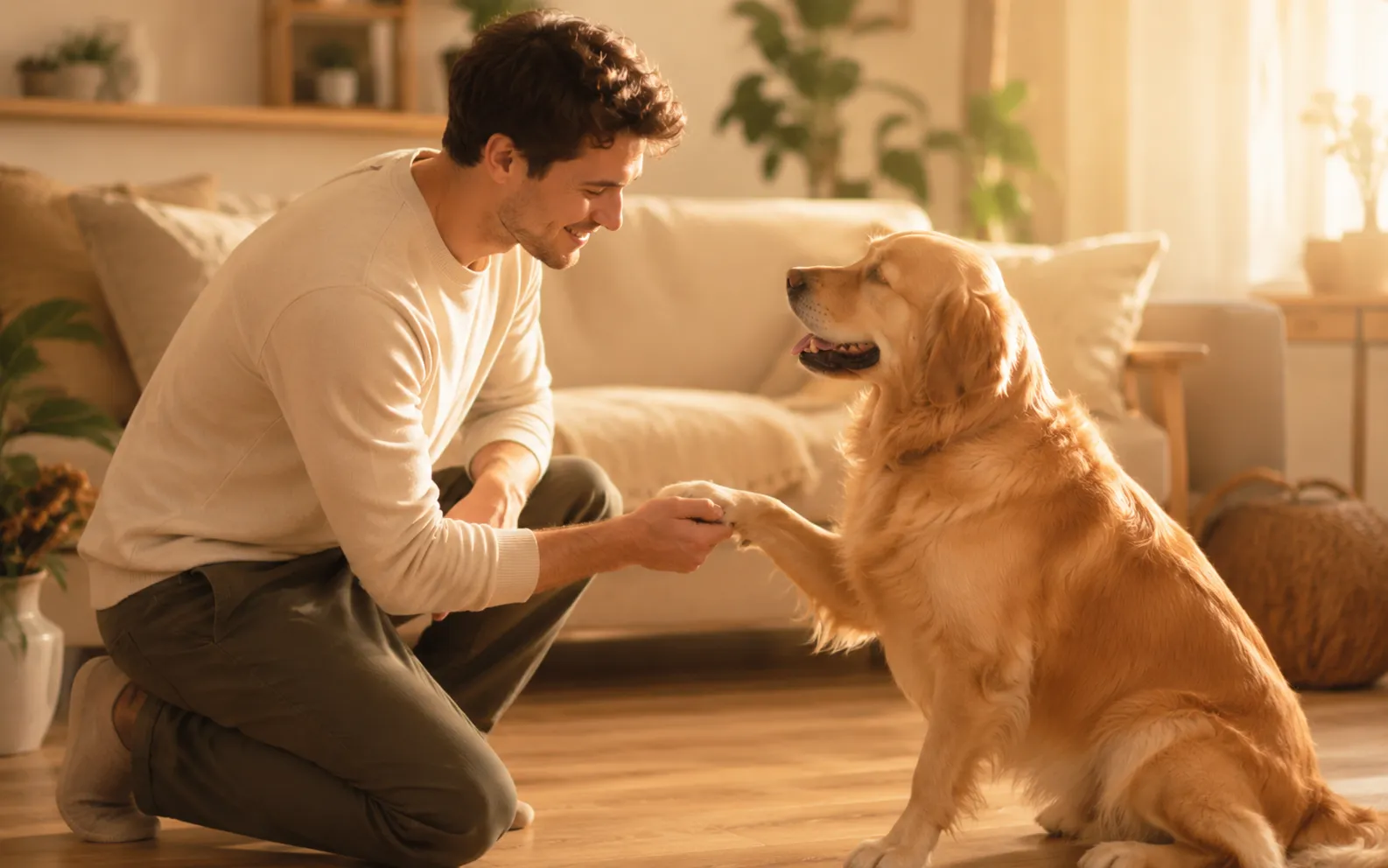
Dog Training Behavior Tips help owners build better habits without turning daily life into constant correction. Training works best when it teaches clearly, rewards wisely, and respects how dogs learn. Many behavior struggles continue because the dog does not understand what to do instead. Stopping one behavior is only part of the answer. You also need to teach a replacement. A jumping dog can learn to sit. A pulling dog can learn to check in. A restless dog can learn to settle. A calm dog training plan helps turn those goals into action.
Why Dog Training Behavior Tips Work
Dog Training Behavior Tips work when they focus on patterns, not isolated moments. Dogs repeat behavior that pays off. If jumping earns attention, jumping grows. If pulling reaches the park faster, pulling grows. If barking makes a scary thing leave, barking grows. This does not make dogs manipulative. It means they learn from outcomes. Your job is to change those outcomes thoughtfully. Reward calm choices. Manage situations where unwanted behavior keeps succeeding. Teach alternatives in small steps. A dog behavior toolkit helps owners see those patterns more clearly.
Teaching Replacement Behaviors
Replacement behaviors give your dog a clear path to success. Instead of only saying no, teach what earns yes. Ask for a sit before opening the door. Reward eye contact during walks. Teach a mat cue for calm indoor moments. Practice hand targeting to redirect movement. Use sniffing breaks as rewards outdoors. Keep sessions short enough to stay successful. Repeat in low-distraction settings first. Then add difficulty gradually. This method reduces frustration because your dog understands the game. Training becomes less about conflict and more about communication. Clear choices create calmer behavior over time.
Dog Training Behavior Tips for Leash Manners
Dog Training Behavior Tips can make leash walks more enjoyable when you stop treating every walk as a battle. Pulling often happens because the environment is exciting. Dogs want to sniff, move, and reach interesting places. Begin by rewarding attention near you. Change direction before tension builds. Stop forward motion when pulling becomes strong. Reward a loose leash with movement, sniffing, or praise. Practice in boring places before busy routes. A dog routine planning resource helps balance exercise with mental enrichment. Better walks start with better expectations.
Reducing Overexcitement at Home
Overexcitement at home often improves when dogs learn predictable transitions. Doorways, visitors, meals, toys, and departures can all create big feelings. Prepare before these moments happen. Keep treats near entry areas. Practice calm greetings with familiar people first. Use barriers when needed. Give your dog a mat, chew, or puzzle during busy household times. Reward quiet observation. Avoid waiting until your dog explodes with energy. Training is easier before the peak. If your dog struggles repeatedly, make the situation simpler. Calm behavior grows through rehearsed success, not through repeated overwhelm.
Dog Training Behavior Tips for Confidence
Dog Training Behavior Tips should build confidence, not only obedience. A confident dog can think through challenges. A worried dog may react quickly or shut down. Use gradual exposure to new experiences. Pair strange sights and sounds with good outcomes. Let your dog investigate at a comfortable distance. Avoid dragging, forcing, or flooding. Celebrate small bravery. Confidence grows through choice and successful repetition. A positive training support approach helps protect trust during this process. Dogs learn best when they feel safe enough to participate.
Keeping Progress Sustainable
Dog Training Behavior Tips become useful when you can maintain them in real life. Choose two or three priorities first. Practice daily for short periods. Reward what you like. Prevent what you cannot train yet. Track progress by behavior, not perfection. Did your dog recover faster? Did they look at you sooner? Did they settle for one minute longer? These small wins matter. They show the nervous system learning. Progress may not look dramatic every day. Still, consistent training changes the relationship. Your dog gains clarity, and you gain a calmer way to guide them.






Leave a comment